
The Hidden Labor Costs of Manual Packaging

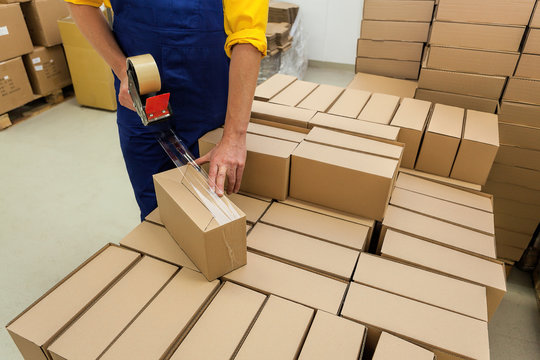
employee manually packaging cardboard boxes in warehouse

“Doing It By Hand” May Be Costing More Than You Think


For many manufacturers and distribution operations, manual packaging feels familiar, flexible, and cost-effective. If products are moving out the door, it’s easy to assume the process is working just fine.

But beneath the surface, manual packaging often creates hidden labor costs that quietly reduce productivity, increase turnover, and limit long-term growth.

As labor shortages continue to impact manufacturing and fulfillment operations across the U.S., companies are taking a closer look at how packaging processes affect their bottom line, not just in wages, but in efficiency and consistency.

Did You Know?

Packaging automation systems can reduce labor dependency by 35–42% while improving throughput consistency, according to echopacker.com

The True Cost of Manual Packaging


When businesses evaluate packaging costs, they usually focus on direct labor: hourly wages, staffing levels, and overtime.

What often gets overlooked are the secondary costs that accumulate over time:

📚 Training and onboarding
🔄 Employee turnover
🩹 Repetitive motion injuries
⏱ Production bottlenecks
📦 Quality inconsistencies
⚠️ Rework and damaged products
💸 Overtime caused by throughput limitations

Individually, these issues may seem manageable. Together, they can significantly impact profitability.

25–40%

Average annual turnover rate for packaging positions due to repetitive work and physical strain according to thepackagingmachines.com

Labor Shortages Are Increasing the Pressure


The manufacturing labor gap is no longer temporary.

Industry forecasts from the National Association of Manufacturers indicate the U.S. manufacturing sector could face a shortage of nearly 1.9 million workers by 2033 if current trends continue.

At the same time:

⬆️ Manufacturing wages continue to rise
💰 Overtime costs are increasing
👷 Hiring qualified workers is becoming more difficult

For operations relying heavily on manual packaging, these labor challenges can create a constant cycle of staffing shortages and throughput disruptions.

Manual Packaging Slows More Than Just Production


Packaging is often one of the final stages before shipment. When it slows down, everything behind it begins to stack up.

Manual processes are more vulnerable to:

  • Fatigue-related slowdowns
  • Inconsistent packaging quality
  • Labeling errors
  • Missed production targets
  • Seasonal labor fluctuations

The Hidden Cost of Rework and Errors


Even highly experienced employees make mistakes during repetitive manual tasks.

Misaligned labels, incorrect quantities, damaged packaging, and inconsistent presentation can all lead to:

  • Customer complaints
  • Product returns
  • Rework labor
  • Material waste
  • Delayed shipments

Manual packaging defect rates are between 3–5%, while automated systems can reduce defects below 0.5%.

Over time, these quality improvements can create substantial savings, especially in high-volume operations.

Safety and Ergonomics Matter More Than Ever


Manual packaging also introduces physical strain that can affect both productivity and employee well-being.

Repetitive lifting, bending, twisting, and handling are all common ergonomic risk factors in packaging environments.

Injury-related costs can escalate quickly through:

  • Workers’ compensation claims
  • Lost productivity
  • Increased absenteeism
  • Additional overtime for remaining staff

Research shows workplace injuries tied to material handling continue to create major operational costs across manufacturing environments.

Reducing repetitive manual handling not only improves efficiency, but it can also help create a safer workplace.

Packaging Automation Doesn’t Have to Mean “All or Nothing”


One common misconception is that automation requires a complete production overhaul.

In reality, many manufacturers begin by automating only the most repetitive or labor-intensive parts of their packaging line:

Even small improvements can reduce labor strain, improve consistency, and increase throughput without disrupting existing operations.

A Smarter Approach to Packaging Efficiency


As labor challenges continue to reshape manufacturing, companies are looking for packaging solutions that support both operational efficiency and workforce sustainability.

That’s where modern banding and packaging systems can make a meaningful difference.
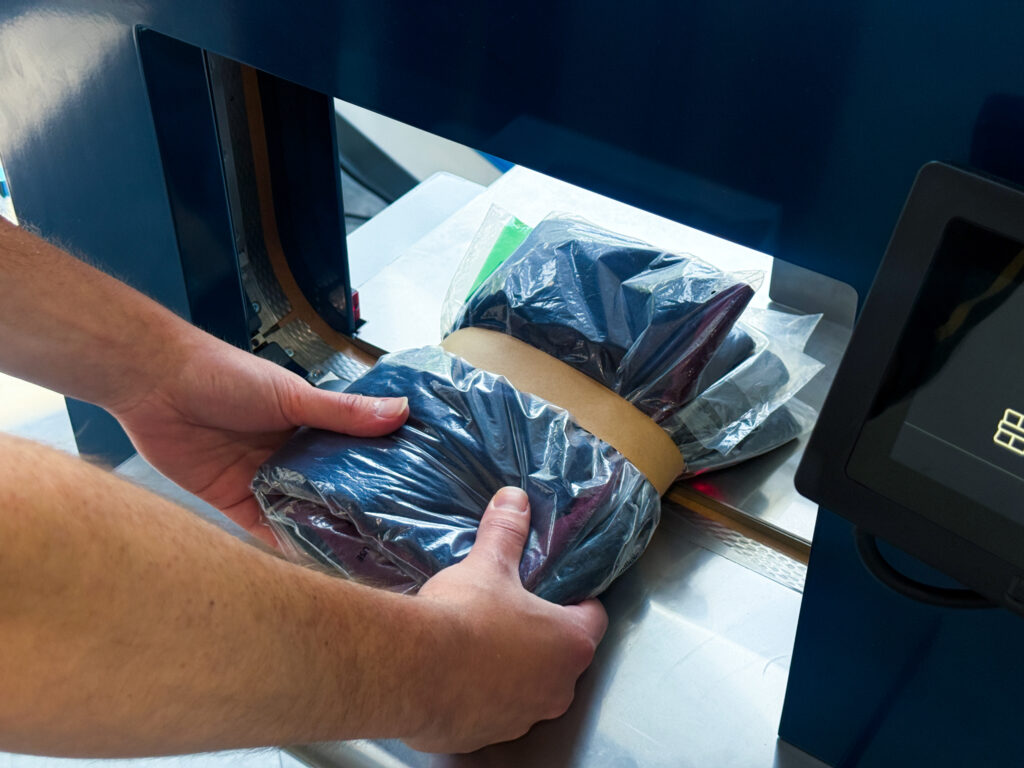
Automated packaging system reducing manual packaging labor

By reducing manual handling, improving consistency, and streamlining repetitive packaging tasks, manufacturers can often:

  • Lower labor dependency
  • Reduce packaging waste
  • Improve ergonomics
  • Increase throughput
  • Create a more scalable operation

At Felins, we work with manufacturers across industries to help simplify packaging processes through efficient, sustainable banding and automation solutions designed for real-world production environments.

Because sometimes the biggest packaging costs are the ones you don’t immediately see.

Ready to Reduce Hidden Packaging Costs?

Discover how Felins banding and packaging solutions help manufacturers improve efficiency, reduce repetitive labor, and streamline production workflows.

Have questions? Email sales@felins.com to connect with a Felins packaging specialist.

Common Questions About Manual Packaging Costs

Manual packaging can create additional costs through employee turnover, overtime, inconsistent packaging quality, rework, and repetitive motion injuries.

Packaging automation helps reduce repetitive manual tasks, improve consistency, increase throughput, and minimize production bottlenecks.

Not necessarily. Many manufacturers use automation to support existing teams by reducing repetitive tasks and improving operational efficiency.

Industries including food production, laundry, healthcare, pharmaceutical, manufacturing, e-commerce, and many more can all benefit from packaging automation solutions.

Yes. Many operations begin by automating only specific packaging processes such as banding, bundling, or labeling without overhauling the entire production line.

Contact Us

Provide us with a few details below to start saving on your packaging and labor costs!